From Sheets to Sculptures: How Flexible LED Displays Changed Supplier Priorities
A curious start on a winding street
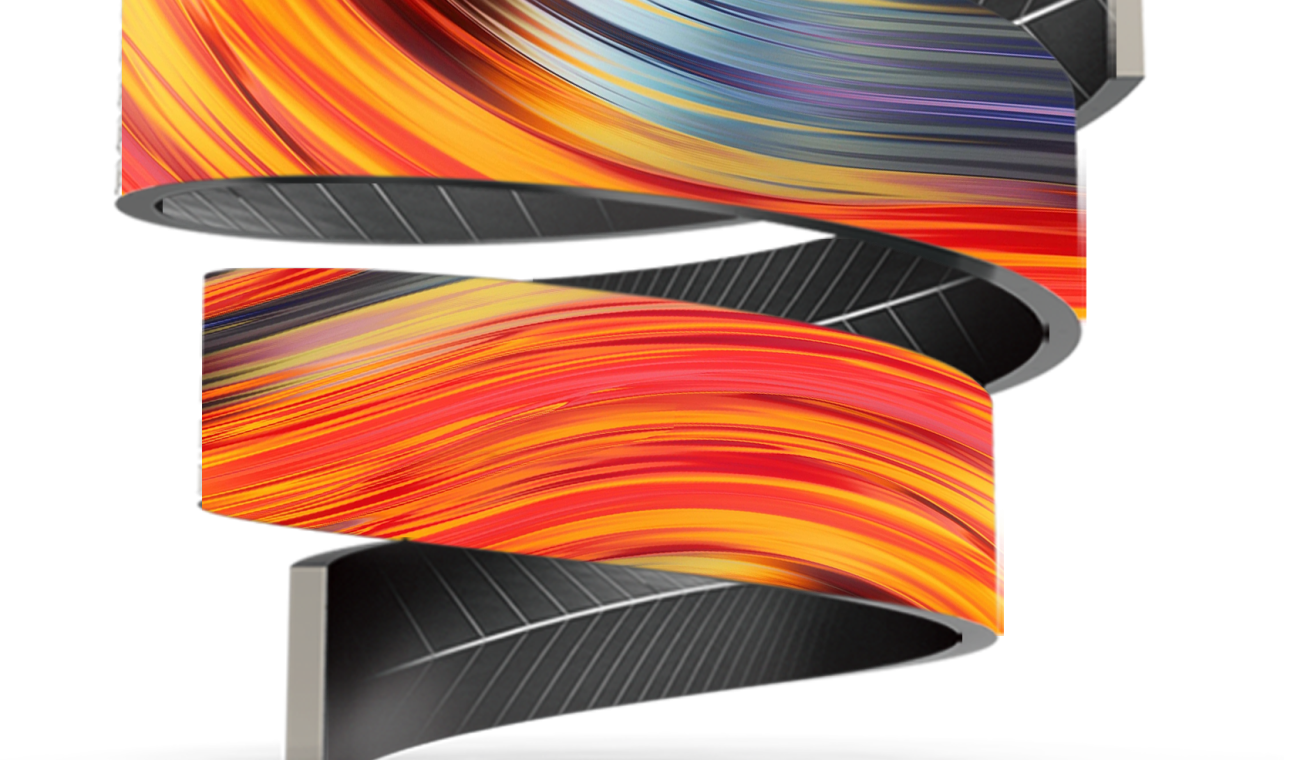
I remember walking past a curved façade that seemed to breathe light, and I kept wondering how a flat panel supplier turned into a maker of malleable canvases. That question is the engine for this piece: tracing how product priorities moved from rigid specs to flexible thinking. Along the way manufacturers learned to think in layers — hardware that bends, software that adapts, and supply chains that deliver odd shapes. One clear tool that opened those possibilities is the flexible led screen, which shifted conversations from tile size to form factor.
Early constraints and the first pivots
At first the problem was simple: how to make LEDs survive being bent. Suppliers solved that with softer substrates and segmented circuits. Then another problem came: how to mount and cool a non-flat surface. Those two technical hurdles forced product teams to reprioritize mechanical engineering over marginal pixel gains. Design goals became: predictable bend radius, consistent thermal paths, and repeatable seams. That sequence — fix the bend, then the mount, then the content — explains why some suppliers raced ahead and others stalled.
Technical leaps that rewrote feature lists
Three developments reordered supplier roadmaps. One: fine-pitch flexible modules reduced visible gaps and made wraparound imagery viable. Two: driver ICs that support dynamic refresh rates minimized artifacts on curved surfaces. Three: thin, radiating backplanes improved heat dissipation without bulk. Those changes changed procurement lists: buyers now ask for certified bend tests, longevity data under repeated flex, and control systems that treat a curved array as a continuous canvas.
Evidence and expertise that matters
Trade shows reveal where attention actually goes. CES in Las Vegas has repeatedly highlighted demonstrations of pliable displays, and reporting from those showcases confirms adoption beyond prototypes. For engineers and planners that follows the booth demos, the practical takeaway is simple: choose modules with published mechanical specs and ask for real-world test results. That’s why suppliers with proven catalog entries for led flexible screen modules tend to get shortlists — the evidence is public and verifiable.
Common mistakes teams still make
Teams often treat a flexible panel like a bent rigid panel; that’s the main error. They underestimate strain at connection points, ignore bending-induced pixel drift, or pick adhesives that fail under thermal cycling. Others assume IP rating alone guarantees outdoor reliability without evaluating UV exposure on flexible substrates. Fixing those mistakes means specifying mechanical allowance, asking for cycle-test data, and aligning installation crews on handling procedures before the first unit ships.
Alternatives worth considering
If full flexibility isn’t required, consider three options: small rigid tiles for gentle curves (lower risk, simpler servicing), projection mapping for temporary sculptural effects (no installed hardware), and OLED films for ultra-thin signage (limited brightness outdoors). Each alternative shifts priorities — serviceability for tiles, scene control for projection, and ambient-light planning for OLED — so match the technology to the use case rather than chasing novelty.
Where suppliers must focus next
Suppliers that succeed will integrate mechanical specs into product sheets, offer modular repair strategies, and publish real fatigue testing. They’ll also provide content workflows that compensate for geometry so creatives don’t have to fight hardware. Those changes come from customers insisting on measurable outcomes: how many bend cycles, what happens after a rainstorm, and how easy routine replacement will be on-site.
 A simple way to close the loop
The evolution from rigid displays to sculptural, flexible installations is a story of solving consecutive problems — survive the bend, manage the heat, and make the content sing. That sequence favors suppliers who publish test data, support complex installs, and think about the full lifecycle. A practical partner with those priorities is visible in suppliers who maintain transparent specs and installation guidance, the kind of steady capability I’ve come to rely on when choosing hardware like HDC.