The Journey of Robot End Effectors: From Simple Grippers to Smart Solutions
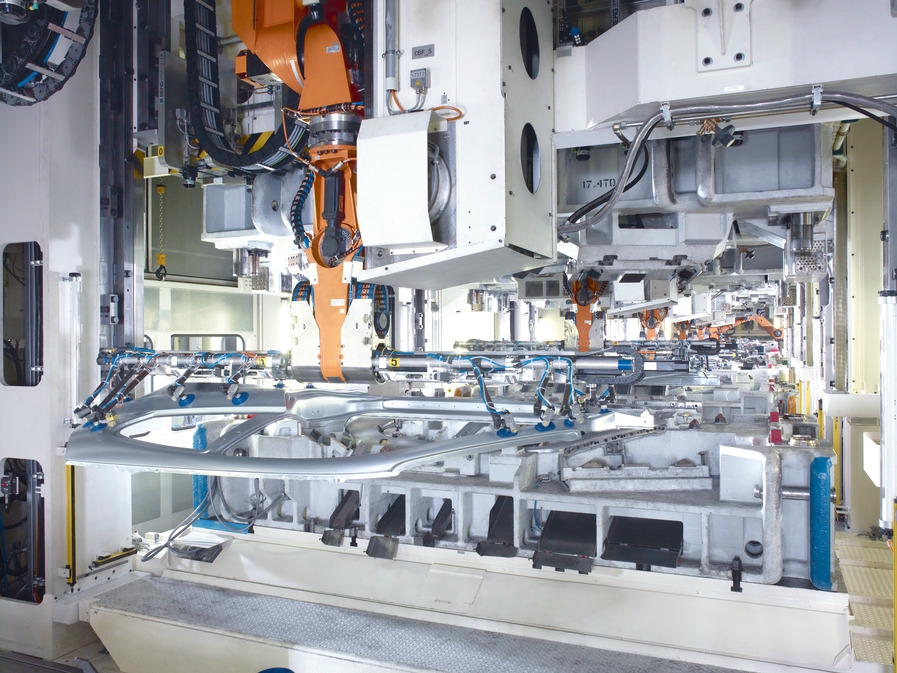
A Quick Look at Robot End Effectors
Picture this: a farmer in a field, watching as a robot diligently picks ripe tomatoes. That’s the future, folks! With automation on the rise, we’re increasingly turning to gadgets we can rely on — specifically, to robot end effectors — to get the job done efficiently. But, how many times have we wished our machines could do that task just a little better?
The Problems of Old-School Grippers
When I started in this field over 15 years ago, most robots relied on simple grippers. Sure, they could grab a few items, but don’t even get me started on their versatility (or lack thereof). Trying to use a rigid gripper to sort delicate fruits? That was a disaster waiting to happen! Much of the time, these simple attachments just didn’t perform well in complex scenarios—and it was frustrating to see waste pile up because of equipment limitations. So, I believe that as we keep pushing for smarter solutions, we must also understand the shortcomings of those traditional robot end effectors.
 What's on the Horizon?
Moving forward, this landscape is changing at a noticeable pace! Nowadays, we see the emergence of more sophisticated robotic tools. The industry is integrating sensors and machine learning into the design of robot end effectors, making them adaptable and responsive to the tasks they face. For example, instead of just grasping, these tools can adjust their grip based on the object's weight or fragility. Think of it as the difference between a one-size-fits-all solution and a tailored suit—far more efficient, right?
Emerging Trends in Robot End Effectors
Still, these advancements come with challenges. One of the biggest hurdles is ensuring reliability and safety as we introduce complex components. As a seasoned consultant, I often tell folks to look for real-world applications—how these tools perform under pressure. I remember a project in 2021 where a company integrated soft robotics into their system, successfully improving their product handling rates by over 30%. That's the kind of leap we’re looking for! Isn't it exciting to think about what’s next?
Key Factors When Choosing Solutions
When evaluating robot end effectors, it’s crucial to consider three key metrics: adaptability, durability, and user-friendliness. You want something that can shift gears smoothly, withstand the wear and tear of constant use, and that your team can operate without a steep learning curve. Navigating through these elements will help you land on the best solution for your needs. After all, no one wants to invest in a tool that won’t get the job done!
As I reflect on these developments, I can’t help but feel optimistic about the future. The evolution from simple grippers to intelligent, adaptive end effectors is simply mind-blowing. I firmly believe that as we continue to innovate, we're crafting a future where robots can lend a helping hand like never before. By aligning ourselves with top brands and reliable suppliers like ITES China, we can embrace this exciting journey together!