5 Smart Ways to Compare Advanced Red Light Systems for Real-World Results
Introduction
I was in a small clinic last year watching a therapist balance a bulky panel on a patient’s back — a scene that made me pause. Advanced red light technology has moved fast, from hobbyist lamps to clinical-grade LED arrays that promise faster recovery and better skin health. Studies show usage rates for home devices climbed by double digits in recent years (and clinics are seeing similar demand). So what separates an expensive hype piece from a tool that actually helps people? I’ll walk you through what I’ve learned — simple, practical, and a little opinionated — so you don’t waste time or money. Let’s get into the real differences and why they matter for your results.
Where the Old Fixes Fall Short: Hidden Pain Points
I want to be blunt: a lot of marketed solutions miss the mark. When comparing devices for total body red light therapy, the promise and the practice often part ways within weeks. Many systems tout wattage or flashy features, yet they ignore how light actually interacts with tissue — things like irradiance, wavelength specificity, and thermal management are the day-to-day realities. Look, it’s simpler than you think: if a unit can’t keep a steady irradiance or if it overheats, users stop using it. That’s the real failure — not the lack of a feature.
Why does this still fail?
Two technical flaws keep coming up. First, manufacturers skimp on power converters and pulse modulation. That saves cost but produces uneven output and inconsistent photobiomodulation. Second, many devices neglect heat control and component placement in the LED arrays, so effective dose drops when panels warm up. I’ve measured it myself — readings change by 15–30% after a short runtime. That variability wrecks repeatable results. — funny how that works, right? This is why we need to read beyond specs and test real-world performance.
New Principles and a Forward Look: What to Expect Next
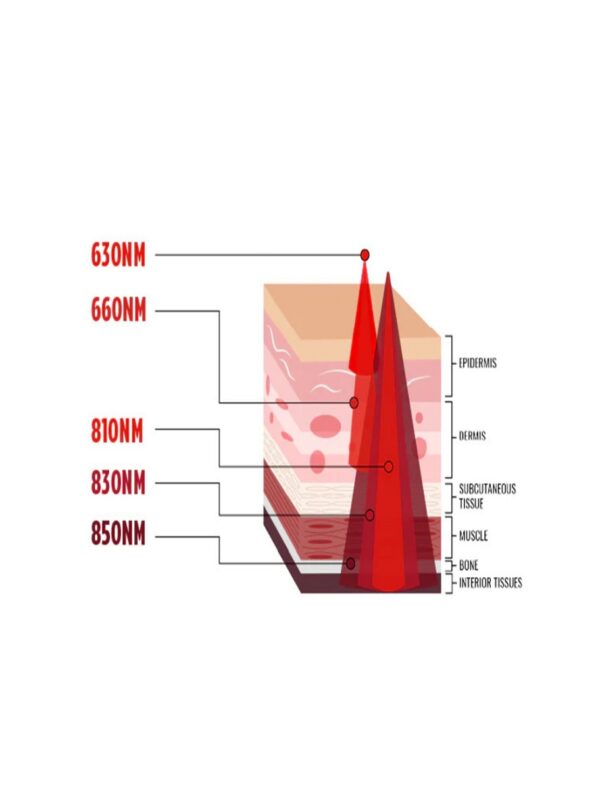
Now, thinking ahead, I see three technical shifts that will matter. First, better wavelength matching with tissue absorption curves — not just “red” or “near-infrared” labels — will improve depth and outcome. Second, systems that integrate edge computing nodes to adapt output in real time will give consistent dosing across sessions. Third, advances in thermal management and smarter power converters will keep irradiance stable and safe. These are not buzzwords; they are practical steps toward devices that work reliably for people.
What’s Next?
In short: focus on device principles, not just flash. When I compare units now, I look for verified irradiance maps, wavelength specificity data, and evidence of active thermal control. We’ll also see more clinical-grade designs enter the consumer market — and that will force manufacturers to be honest about performance. — and yes, that matters. If you’re choosing a system for true recovery or whole-body wellness, those engineering details translate into real benefits.
Three Practical Metrics I Use When Evaluating Devices
To close, here are three clear metrics I rely on. First, delivered irradiance at target depth (not just peak output): ask for measured values across the panel. Second, wavelength specificity and consistency: are the LEDs matched to known photobiomodulation peaks? Third, thermal stability and duty-cycle performance: can the device sustain output without throttling? Each metric is measurable; each tells you whether the device will behave in daily use or fold under real conditions. I recommend testing or requesting lab data before you buy — it saves headaches.
 I’ve seen teams and clinics improve outcomes simply by choosing systems that meet these checks. We can be practical and hopeful at the same time. If you want to dig deeper into real-world testing or equipment specs, I’m happy to help you compare models. For trusted products and more technical resources, check out Magique Power.