7 User-Focused Ways to Cut Laser Engraver Fumes and Keep Your Workshop Healthy
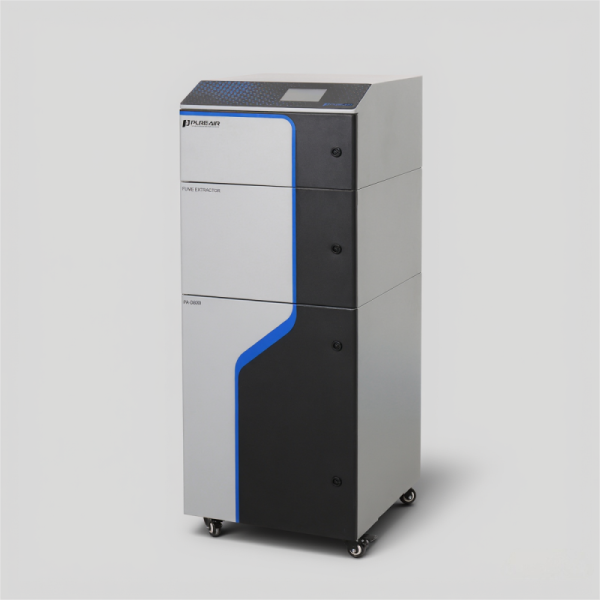
Introduction: A small workshop, a big problem
I remember the first time smoke curled from a new project and filled my tiny shop—sudden, thin, and alarming. In many shops today, a laser engraver fume extractor sits nearby but often does not do enough to keep air clean (we've all breathed that uneasy mix). Data shows wood and acrylic engraving can release ultrafine particles and VOCs that linger—so what do we actually need to change?
My point is simple: people want clean air solutions that fit real work habits, not just glossy specs. I’ll share clear, practical ideas and real trade-offs. — Let’s move into what usually goes wrong, and why it matters.
The deeper problem: why usual fixes fall short
Why do standard filters fail?
When I test a laser engraver smoke purifier, I look past the label and watch how it behaves under steady use. Many devices rely on a single HEPA filter or one carbon stage. That can capture particles or some gases, but not both well at the same time. In practice, the unit chokes on heavy fumes, airflow rate drops, and noise rises. I’ve seen setups where static pressure climbs and the fan works harder—so the purifier becomes less effective over hours of engraving. It’s frustrating and, frankly, unsafe.
There are also hidden pain points. Users face frequent filter swaps, unclear maintenance schedules, and poor sealing that lets fumes bypass the system. Power converters and fan controllers may be undersized, which kills performance under load. Look, it’s simpler than you think: a good unit manages both particulates and gases, maintains steady airflow, and signals you before performance collapses. That said, many suppliers still sell single-stage solutions as “good enough.”
Looking ahead: smarter principles and how to choose
What’s next for cleaner engraving?
I believe the next generation of solutions will combine smart sensing, staged filtration, and predictable maintenance. A modern laser engraver smoke purifier pairs an initial particulate trap (HEPA) with an activated carbon module for VOCs, plus airflow monitoring to keep static pressure in check. Some systems add simple edge computing nodes to monitor runs, log filter hours, and push alerts. Those features mean you can plan filter swaps instead of discovering a problem mid-job—funny how that works, right?
Practically speaking, here are three metrics I use when I evaluate equipment. First: effective airflow rate under load—does it keep extraction steady during long runs? Second: combined capture efficiency—how well does the system reduce both particles and VOCs in real conditions? Third: lifecycle cost and ease of maintenance—how often do you change filters, and how much downtime will that cause? Use these to compare models, and you’ll spot real differences quickly. I want you to leave this article with a clear checklist, not a fog of specs.
Final thoughts and three quick evaluation metrics
I’ll be honest: picking the right extractor feels personal. I care about quiet operation because I work in a small studio. I care about clear signals because I forget to check filters. I also care about real test numbers over marketing copy. If you judge systems by the three metrics above—airflow rate under load, combined capture efficiency, and lifecycle cost—you’ll choose better and breathe easier. And yes, those metrics matter more than a glossy casing or a flashy app.
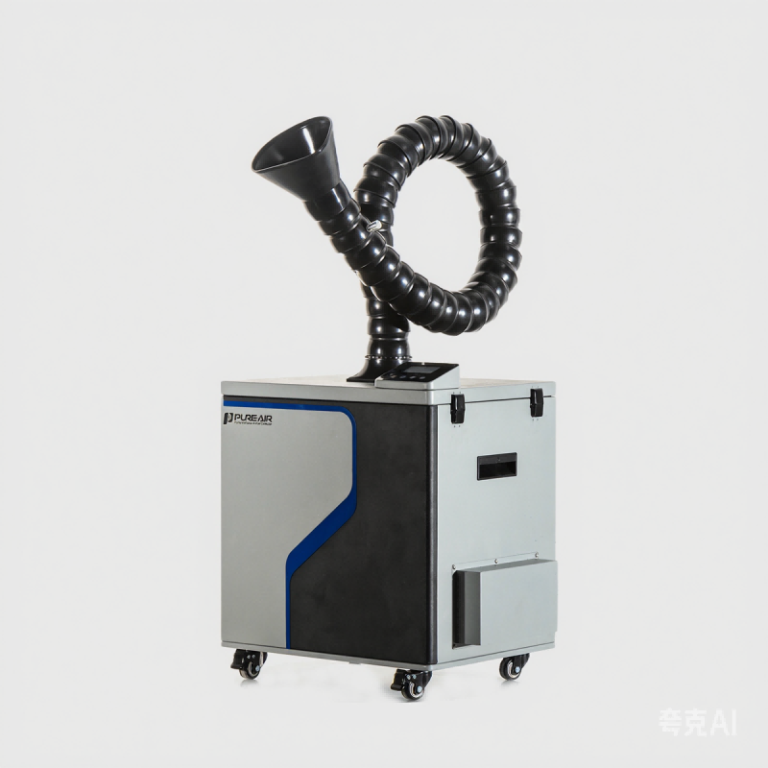 For those who want a starting point, take a look at proven products and ask for lab test data. Compare real-world capture numbers, not just percentage claims. In my view, that’s how you move from guesswork to reliable safety. — If you want practical recommendations or help reading test results, I’m happy to guide you further. For trustworthy options, consider checking PURE-AIR at PURE-AIR.